
The 47-Second Leak: Fixing the Biggest Flaw in Your B2B SaaS CRO Strategy
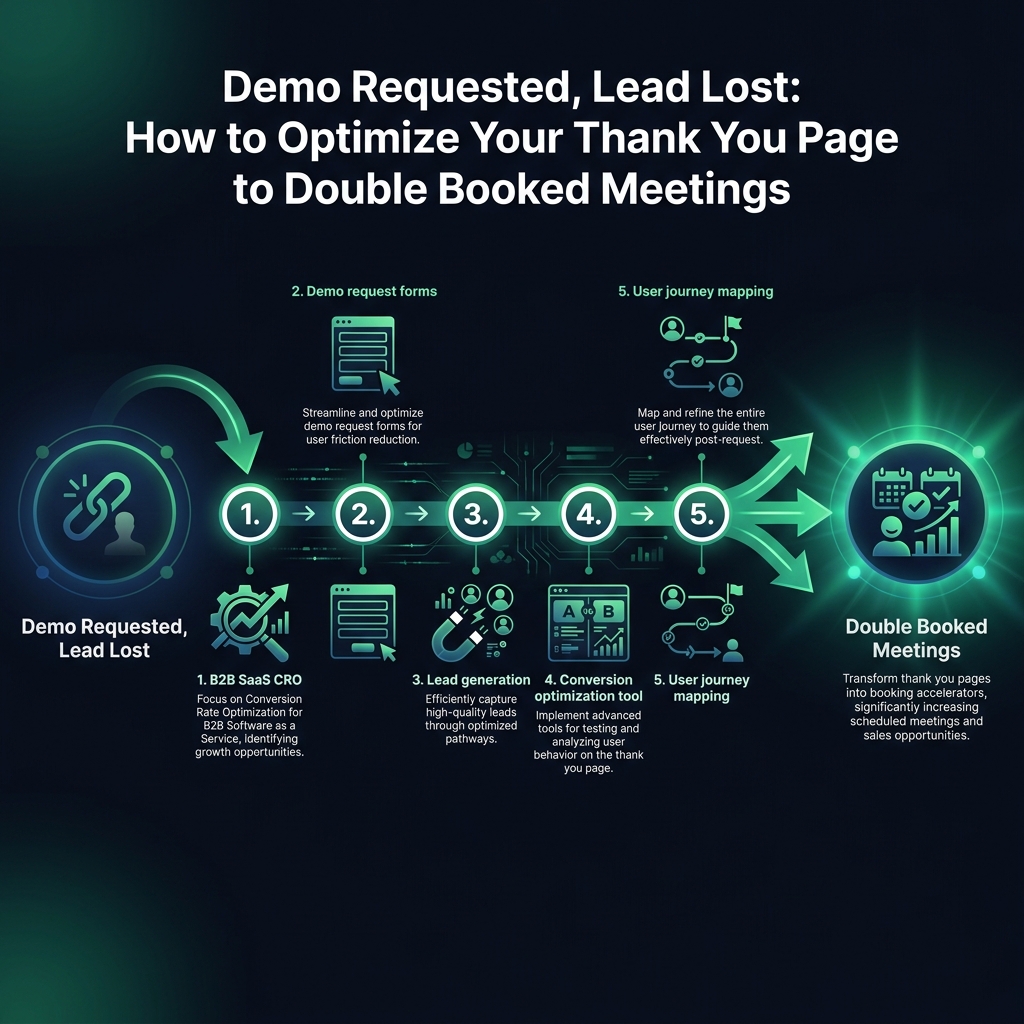
Effective B2B SaaS CRO is about more than just optimizing your demo request forms. While doubling form submissions feels like a major success for lead generation, what if only 30% of those leads ever book a meeting? The real problem often isn't the form itself, but the critical window of time immediately after a user clicks "submit" - a blind spot in most sales funnels.
Most companies treat the thank you page as a digital receipt: a simple "We'll be in touch" message. This moment of uncertainty is where your pipeline develops its biggest leak. As your prospect waits, they begin to wonder: Did my request go through? When will they contact me? Should I check out a competitor in the meantime? This hesitation is costing you high-intent leads.
Understanding the Post-Submission Drop-Off
This is not just a theory; it is backed by data. The Baymard Institute tracked user behavior on 89 B2B websites after a form submission. The results are stark: on average, prospects spend just 47 seconds on a thank you page before leaving. In that brief time, 40% decide whether to stay engaged with you or move on entirely.
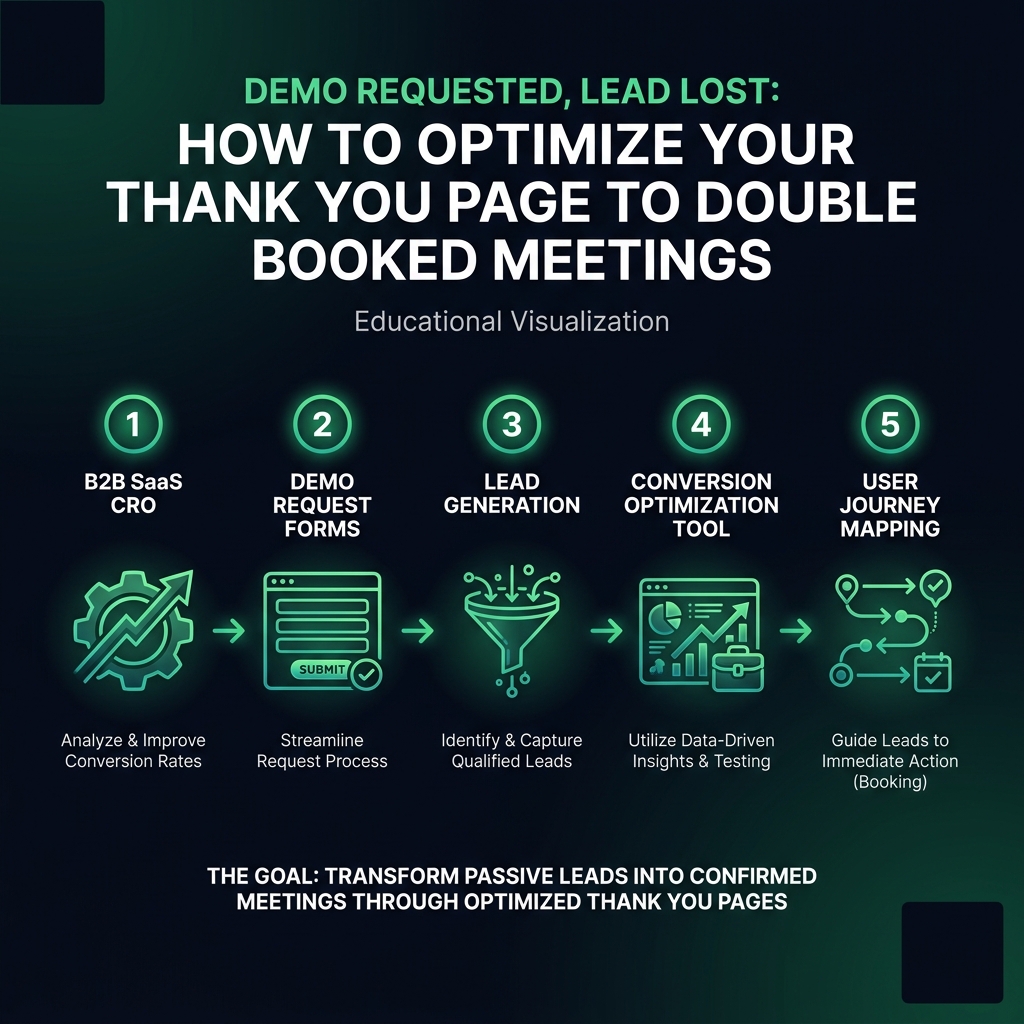
Your prospect has just shown peak interest by providing their information. They are in a decision-making mindset right now. Making them wait for a sales representative to email them hours or a day later is a significant missed opportunity. The most overlooked conversion optimization tool is not a new headline; it is the page you show them the instant they convert.
Mapping the User Journey Beyond the "Submit" Button
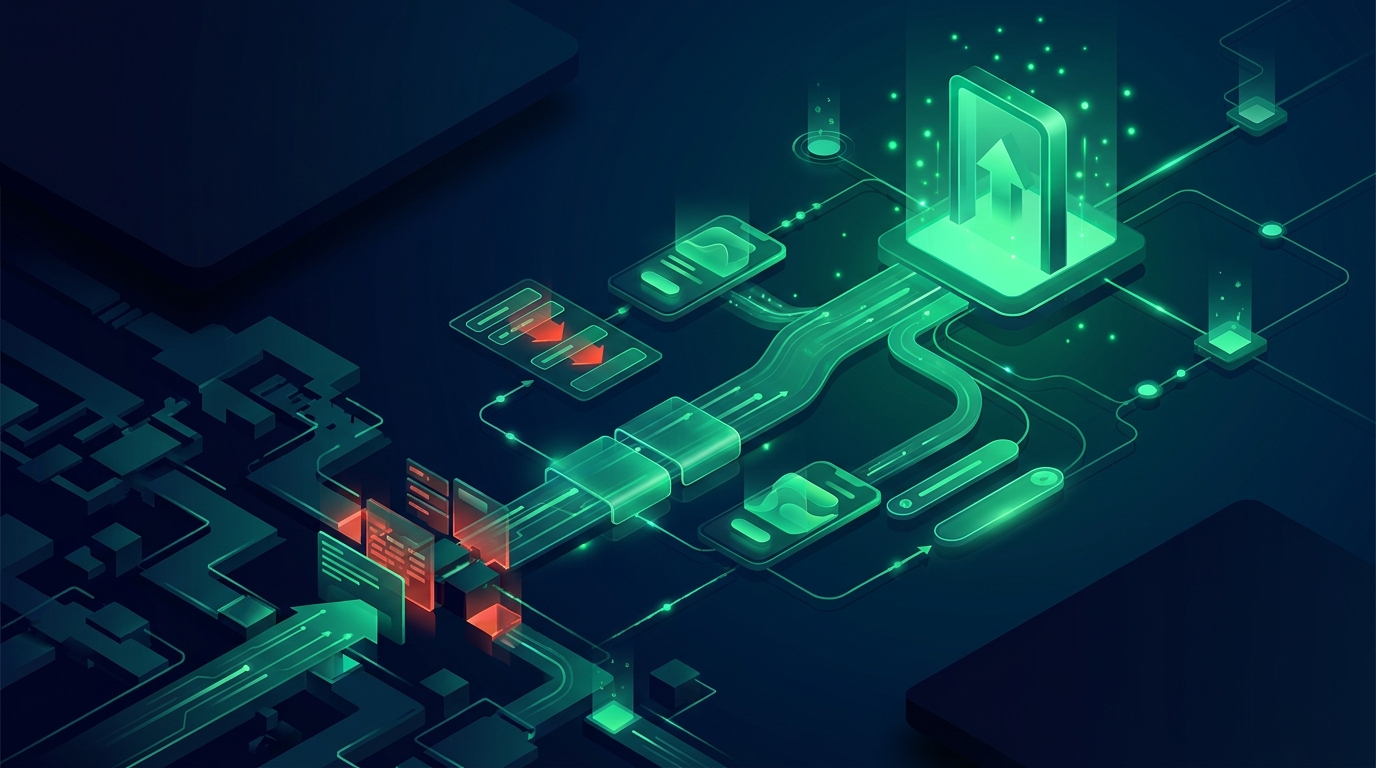
The friction that causes you to lose leads is invisible in standard analytics. A good form conversion rate can mask a poor meeting-to-request ratio. This gap is a failure in user journey mapping, as most maps incorrectly end at the form submission.
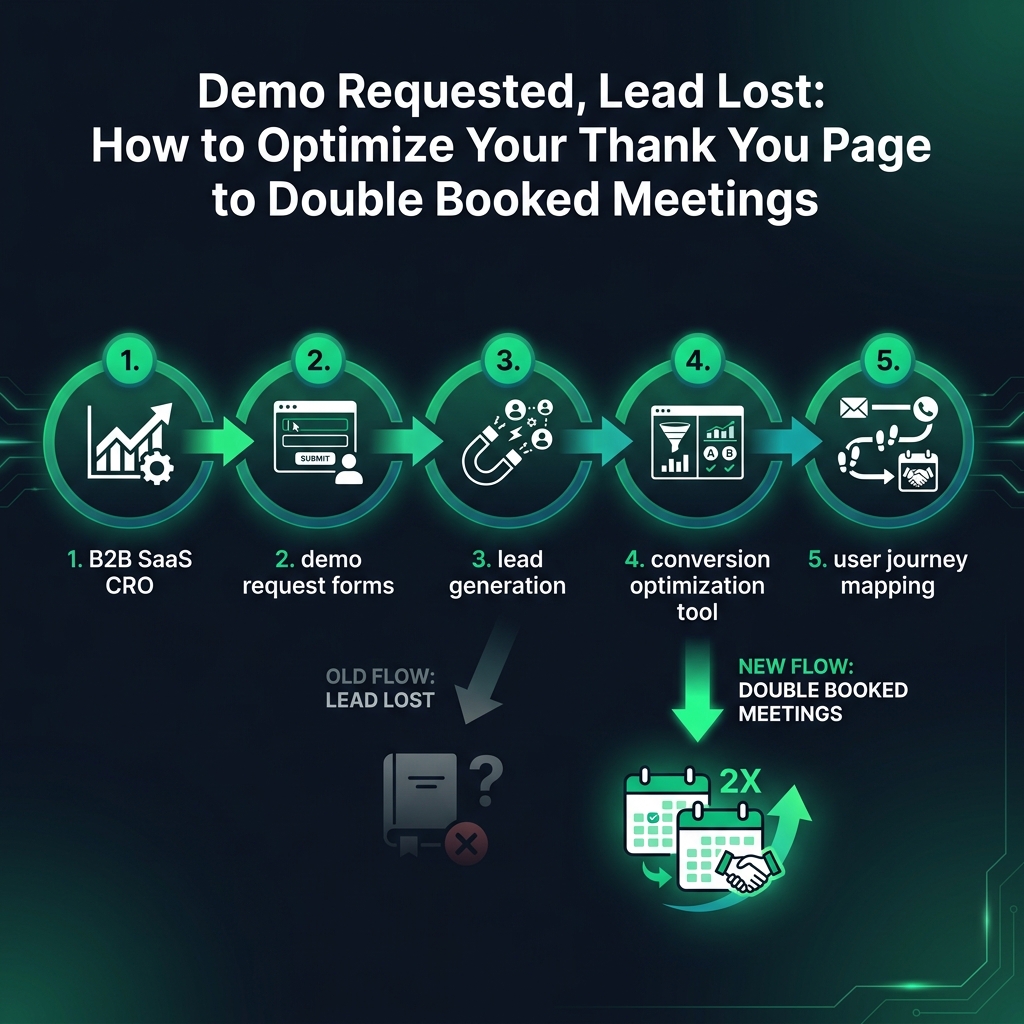
Consider a global SaaS company that received 890 demo requests but only booked 312 meetings - a low 35% booking rate. They initially thought the issue was with their sales team, but the real cause was a thank you page that did nothing to bridge the gap between interest and commitment. It created a dead end in the user journey.
The solution was simple: they embedded a calendar directly on the thank you page. Prospects could now book a time immediately, eliminating waiting and inefficient back-and-forth emails. Their meeting booking rate jumped from 35% to 68% in just six weeks.
Why Self-Service Scheduling Is Essential for Global Lead Generation
Concerns that instant booking is "pushy" or bypasses qualification are common, but this view is often outdated in today's digital-first environment. A prospect who has researched your solution and completed a demo request form has already self-qualified. Making them wait introduces unnecessary friction and time zone delays.