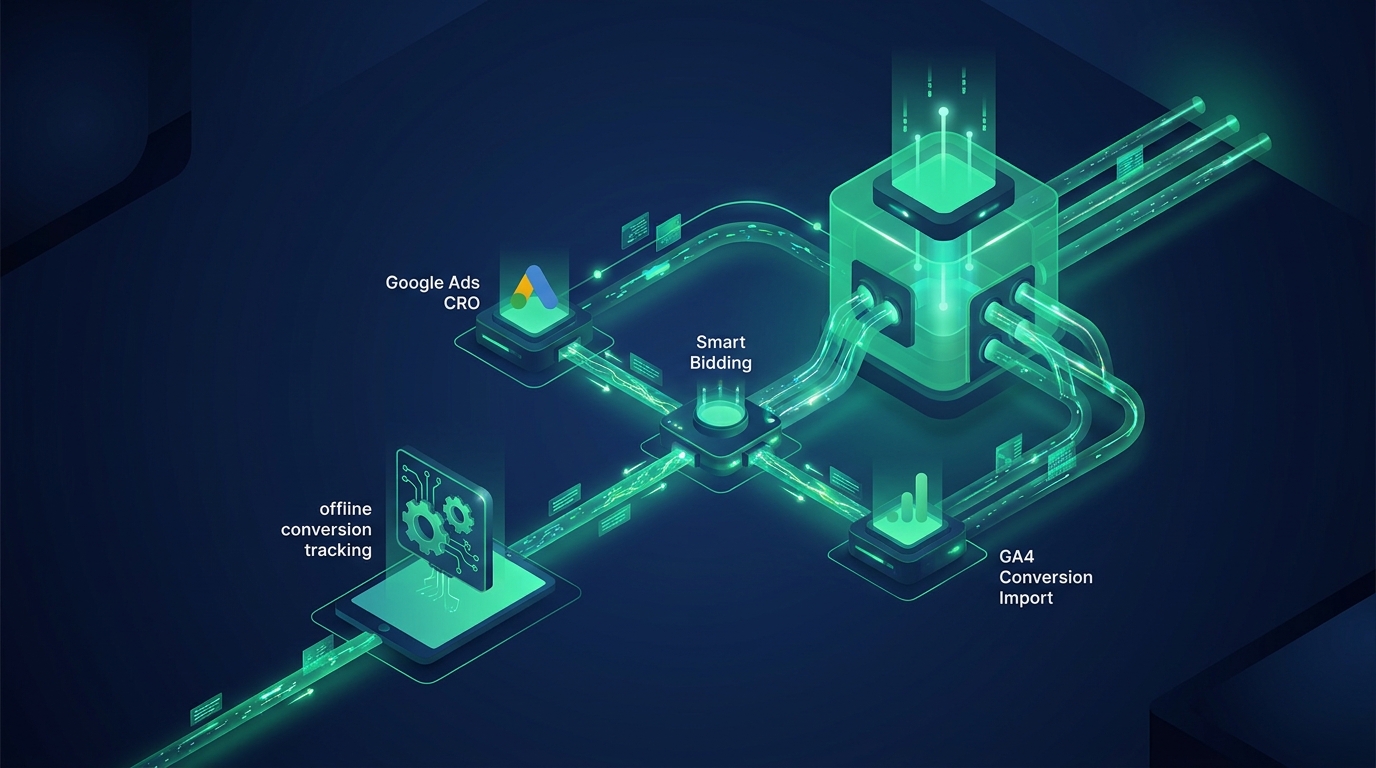
Infographic EyeCaptain για digital marketing - οπτικοποίηση εννοιών CRO mistakes, bounce rate, funnel optimization
    eyecaptain.io

    CRO Mistakes 2026: Why Your Website Is Not Selling

    Find the CRO mistakes stopping your website from selling in 2026. Fix unclear messaging, weak CTAs, low trust, and checkout friction fast.

    EyeCaptain

    Dimitris

    20 February 2026

    8 min read
    311 views
    CRO mistakesbounce ratefunnel optimizationwebsite mistakesdigital marketing strategy

    So, your website is getting plenty of clicks, but the sales just aren't happening. Sound familiar? If you're staring at your analytics wondering why all those potential customers are hitting the back button, you're not alone. This isn't just a simple conversion problem. It's a sign that your marketing strategy has a leak, leading to a high bounce rate and a sales funnel that's losing you both money and future fans.

    Every person who clicks away isn't just a lost sale. They're a lost opportunity. They won't recommend you, and they probably won't even remember your brand's name tomorrow. If you're tired of bleeding cash and customers, it's time to figure out what's going wrong and fix these common website mistakes for good.

    Common CRO Mistakes: #1. Your Site Feels Untrustworthy

    You know, trust is one of those things you don't really notice until it's gone. A checkout page can look clean, load in a flash, and work perfectly on a phone, but still fail completely. Why? Because it feels sketchy.

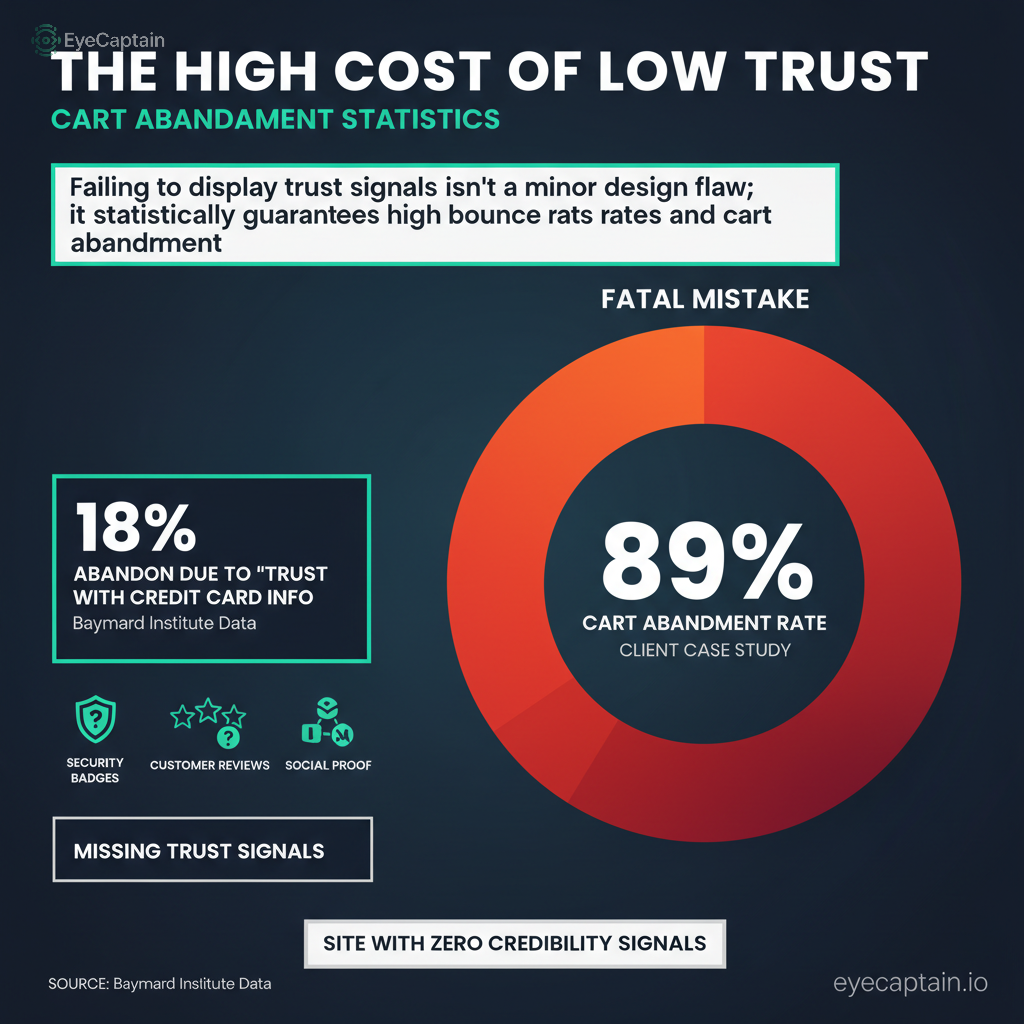
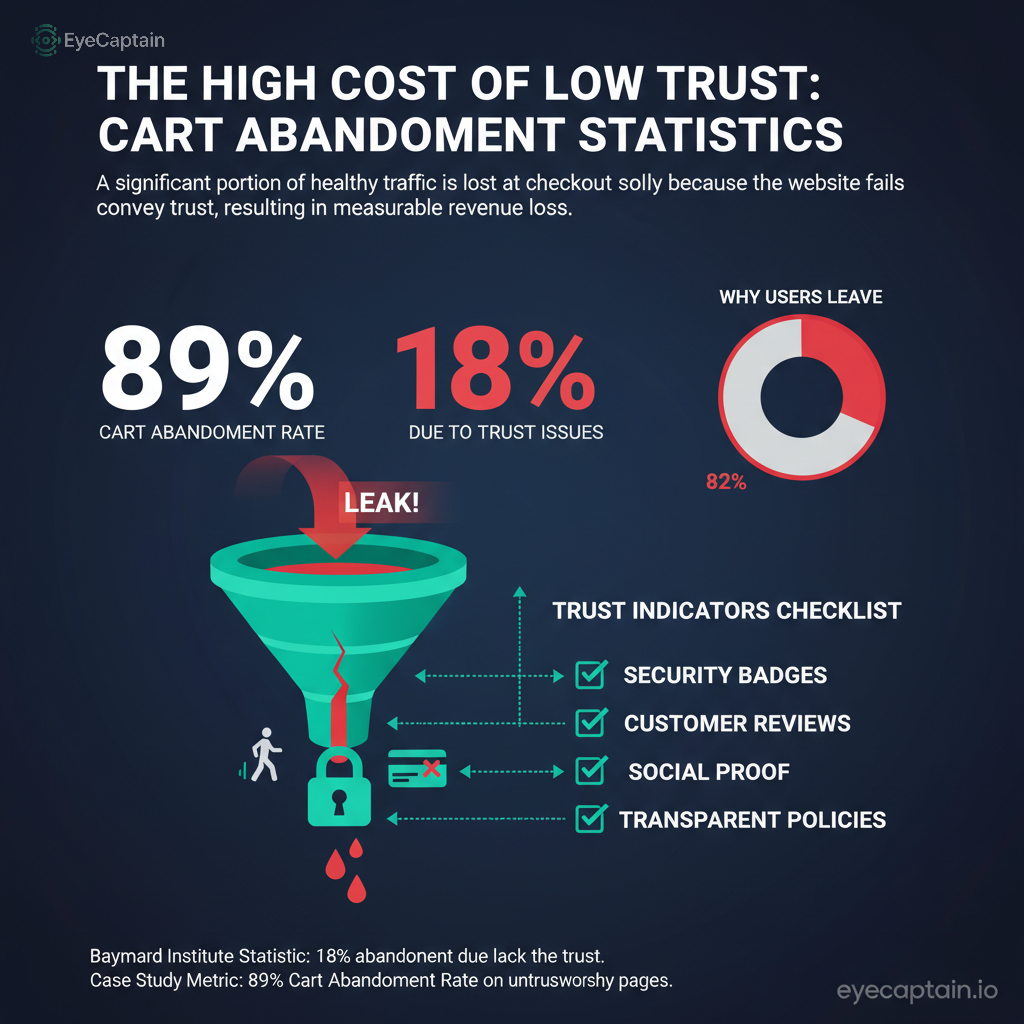
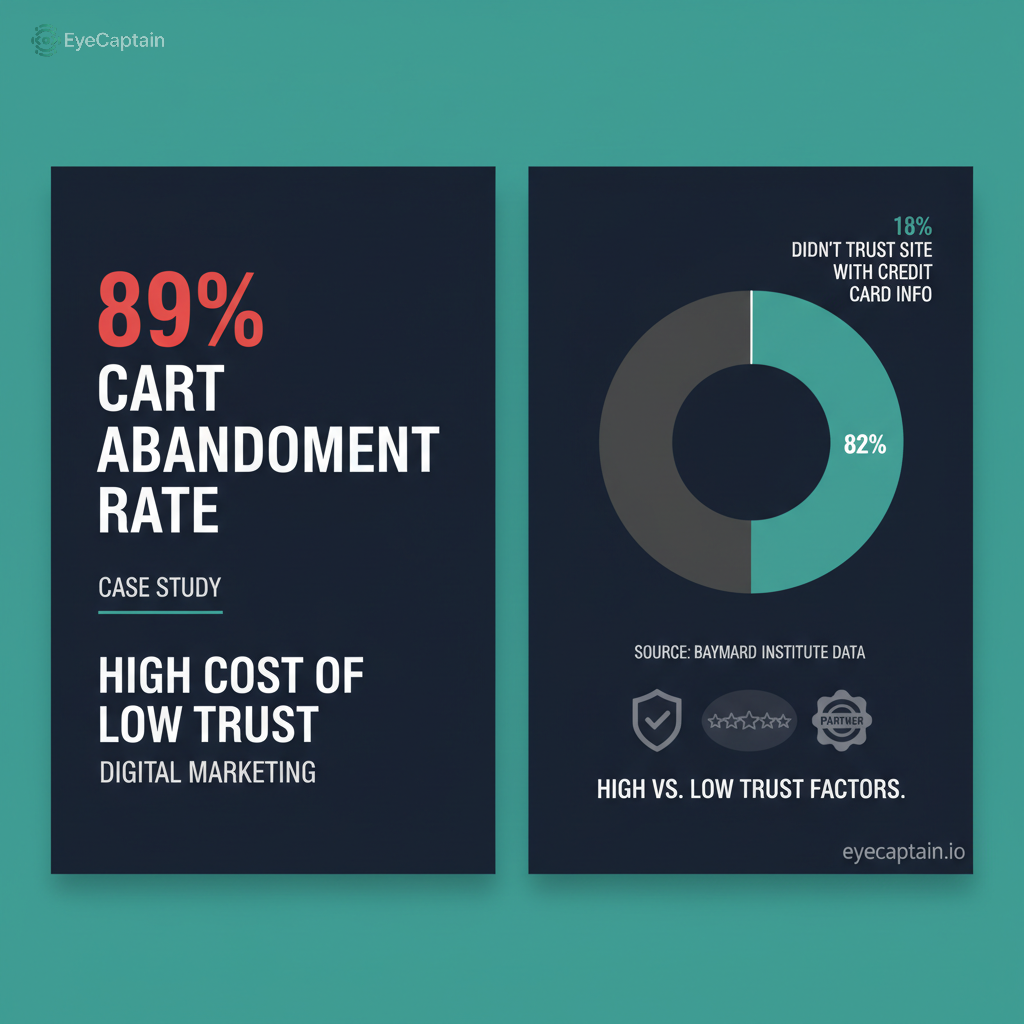
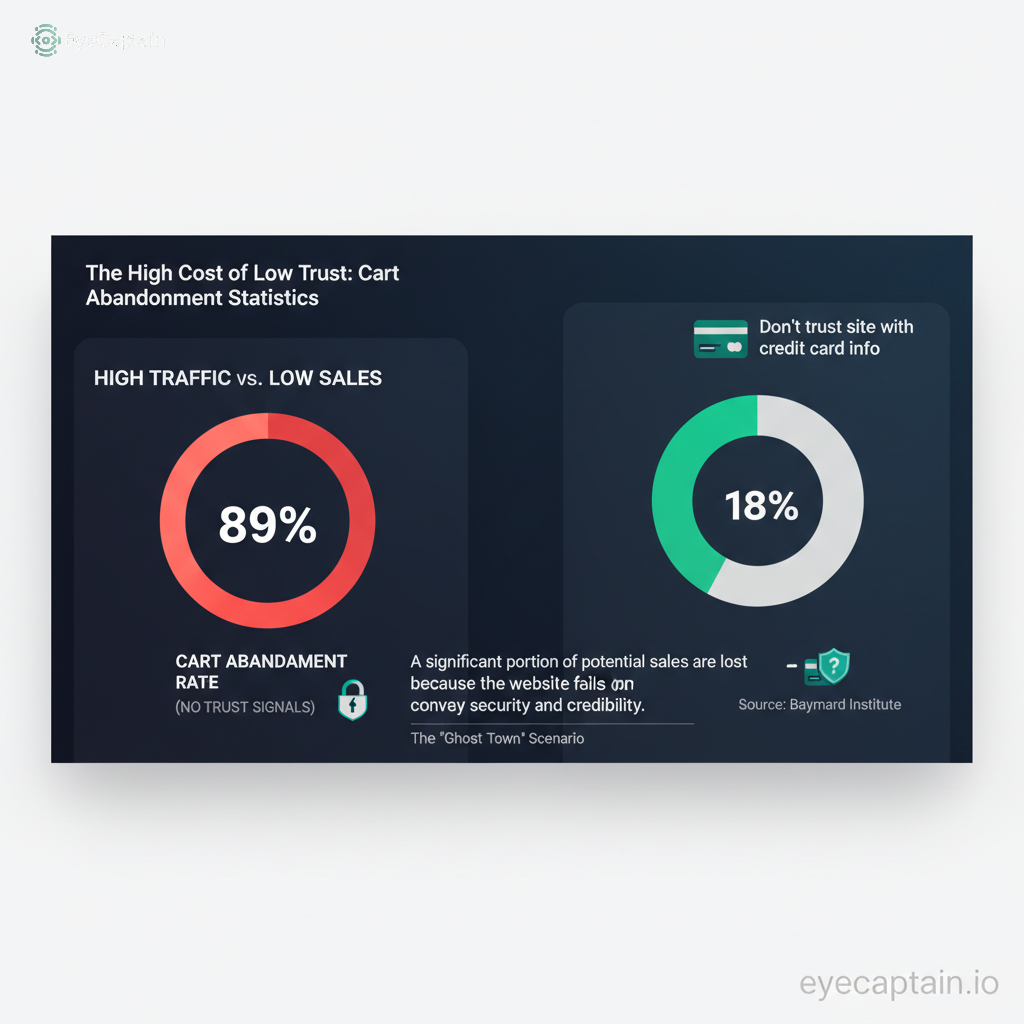
    We recently looked at a client's page that was a ghost town of credibility. No security badges. No customer reviews. Zero social proof. Is it any surprise their cart abandonment rate was a whopping 89%?

    According to the Baymard Institute, about 18% of people ditch their shopping cart simply because they don't trust the site with their credit card info.

    But here's the part everyone gets wrong: trust isn't something you can just slap on at the end. Your funnel optimization has to start the instant someone lands on your homepage.

    How to Build Credibility from the Start

    So how do you build that credibility? It's not just about plastering badges everywhere. Think strategically. If you've worked with well-known companies, put their logos right on your homepage where people can't miss them. You should also leverage reviews, and don't stress about a few four-star ratings. Honestly, a huge number of reviews often means more to a customer than a perfect score. And please, use real photos. Ditch the generic stock images of smiling people in boardrooms. We can all spot those a mile away. Use pictures of your actual team and your real customers.

    Στατιστικό γράφημα (infographic) που αναλύει τα ποσοστά εγκατάλειψης καλαθιού αγορών (cart abandonment). Το γράφημα επισημαίνει ότι το 18% των χρηστών εγκαταλείπουν τη σελίδα επειδή δεν εμπιστεύονται τον ιστότοπο με τα στοιχεία της πιστωτικής τους κάρτας (δεδομένα Baymard Institute), οδηγώντας σε ποσοστά εγκατάλειψης έως και 89%. Παρουσιάζονται επίσης τα απαραίτητα στοιχεία εμπιστοσύνης, όπως σήματα ασφαλείας και κριτικές πελατών.
    EyeCaptain
    eyecaptain.io

    Placement is everything. Security seals belong right next to the fields where people enter their payment details. Customer testimonials should pop up right where doubt starts to creep in, like on a product page or right before the final checkout button. We saw a SaaS company move their testimonials from the footer to just below their pricing plans, and guess what? Their conversion rate jumped 34% in less than a month.

    Critical Website Mistakes: #2. Nobody Understands What You Do

    You know your business inside and out. But do your visitors? One of the biggest website mistakes is talking about features instead of benefits. "Advanced AI-powered analytics dashboard" means nothing to most people. It's just jargon. But "Cut your reporting time from 4 hours to 15 minutes"? Now you're talking my language.

    The old five-second rule is still absolute gold. A new visitor has to understand what you do, why it's for them, and what to do next, all within about five seconds. The stuff they see without scrolling, your headline and opening sentence, is the most valuable real estate on your entire site. Eye-tracking studies have shown time and again that people spend most of their time looking right there.

    Try this little experiment. Grab someone who knows nothing about your business, show them your homepage for just five seconds, then close the laptop. If they can't tell you what you sell, your message is broken.

    A Simple Way to Get Clear

    The best value propositions aren't complicated. They just tell a simple story. They start with the customer's pain, introduce your solution, and then paint a picture of the great outcome. Something like: "Tired of spending your weekends counting inventory? Our system syncs all your stock automatically. Get your Fridays back and focus on growing your business, not getting buried in a stockroom."

    See how that works? It connects with a real frustration, offers a clear fix, and ends with a result they actually want. Just remember to drop the corporate buzzwords. Nobody cares about "omnichannel integration." They just want their problems solved so they can run their business without the headaches.
    Στατιστικό γράφημα που δείχνει τους λόγους εγκατάλειψης καλαθιού αγορών σε e-commerce ιστοσελίδες. Το γράφημα τονίζει ότι το 18% των χρηστών, σύμφωνα με το Baymard Institute, εγκαταλείπουν την αγορά επειδή δεν εμπιστεύονται την ιστοσελίδα με τα στοιχεία της κάρτας τους. Επίσης, παρουσιάζεται το υψηλό ποσοστό εγκατάλειψης 89% σε ιστοσελίδες που δεν διαθέτουν σήματα εμπιστοσύνης και ασφάλειας.
    EyeCaptain
    eyecaptain.io

    Funnel Optimization Killers: #3. You're Making Things Too Difficult

    You've probably tweaked your site a hundred times. But odds are, you're looking at it from your perspective, not your customer's. All those little things that seem fine to you can be major roadblocks in your funnel optimization.

    Let's talk about forms. Every single field you add is another reason for someone to give up and leave. Each extra box can literally slash your completion rates. Do you really need their phone number? Unless you're planning to call them immediately, just get the essentials. A name and an email are usually all you need to get started.

    EyeCaptainEyeCaptain
    97%
    Conversions Booster

    Your visitors leave without converting

    Most websites lose 97% of their traffic without a single conversion. Our AI scans 200+ CRO elements to find exactly where visitors drop off.

    Hero CTA missing

    Bad navigation is another conversion killer, especially on mobile. What looks like a neat, organized menu on a big desktop screen can become a confusing mess on a phone. Mobile users are impatient. If they can't find what they're looking for in a couple of taps, they are gone. We saw a fashion retailer cut their mobile menu from 47 different categories down to just 8. Their mobile conversion rate shot up by 28%.

    Are You Giving Them Too Many Choices?

    Ever heard of choice paralysis? It's a real thing. When you give people too many options, they often get overwhelmed and end up choosing nothing at all. Take a hard look at your product pages. Are you drowning visitors in a sea of color options, size variations, and shipping choices? Each one is another decision, another point of friction.

    Amazon's "Buy Now" button is pure genius because it eliminates all those little decisions by using your default address and payment info. Your goal should be the same. Simplify the path to purchase. Combine shipping and billing info onto one page, pre-select the most popular shipping option, and make getting to that "complete purchase" button as easy as possible.

    Devastating Website Mistakes: #4. Your Mobile Site Is Broken

    Here's a scary thought. Mobile phones are responsible for more than half of all ecommerce traffic, but they account for a much smaller slice of the sales pie. That gap? That's your revenue disappearing into thin air. Your site might be "mobile-responsive," but that doesn't mean it's actually usable.

    Στατιστικό infographic που αναλύει τα ποσοστά εγκατάλειψης καλαθιού (cart abandonment) λόγω έλλειψης εμπιστοσύνης. Το γράφημα δείχνει ένα ανησυχητικό ποσοστό εγκατάλειψης 89% σε ιστοσελίδες χωρίς στοιχεία αξιοπιστίας και υπογραμμίζει δεδομένα του Baymard Institute, σύμφωνα με τα οποία το 18% των χρηστών εγκαταλείπουν την αγορά επειδή δεν εμπιστεύονται την ασφάλεια της ιστοσελίδας με τα στοιχεία της κάρτας τους.
    EyeCaptain
    eyecaptain.io

    A responsive design just rearranges things to fit on a smaller screen. It doesn't mean the experience is any good. You have to think with your thumb. Are your buttons big enough to tap without zooming in? Are the text links so close together that people keep hitting the wrong one? These are huge frustrations.

    And then there's speed. On mobile, speed is everything. Google found that 53% of mobile visitors will abandon a site if it takes more than three seconds to load. All those beautiful, high-res images you have are completely worthless if nobody sticks around long enough to see them.

    Give Your Site a Real Mobile Audit

    Do this right now. Pull out your phone and try to buy something from your own website. Use your thumb, not your pointer finger. You'll quickly discover all the little pain points, especially when you get to the payment screen. Keyboards covering up form fields, auto-complete not working, and confusing error messages are classic CRO mistakes that pop up on mobile.

    This is exactly why digital wallets like Apple Pay and Google Pay are conversion gold. Adding a one-tap checkout option gets rid of all that frustrating typing on a tiny screen. We helped a home goods store add these payment options, and their mobile conversions skyrocketed by 45%, almost overnight.

    Flawed Digital Marketing Strategy: #5. You're Chasing the Wrong Numbers

    Want to know a secret? Conversion rate optimization isn't really about the conversion rate. It's about revenue per visitor. Think about it. A 2% conversion rate with an average order of $50 is way better than a 4% rate with an average order of $20. A flawed digital marketing strategy has you focused on the wrong prize.

    A lot of the metrics you track can be misleading. A high bounce rate isn't always a bad thing. Someone could land on your pricing page, get the info they need, and leave. That's a successful visit! On the flip side, a long time on site could mean you have a really engaged user, or it could mean they're totally lost and can't figure out your checkout process.

    Στατιστικό infographic που απεικονίζει τα ποσοστά εγκατάλειψης καλαθιού λόγω έλλειψης αξιοπιστίας. Το γράφημα δείχνει ότι ιστοσελίδες χωρίς σήματα εμπιστοσύνης έχουν ποσοστό εγκατάλειψης 89%, ενώ σύμφωνα με το Baymard Institute, το 18% των χρηστών φεύγουν αποκλειστικά επειδή δεν εμπιστεύονται την ασφάλεια της πιστωτικής τους κάρτας.
    EyeCaptain
    eyecaptain.io

    Instead, you need to look at the little steps people take on the way to a sale. Watch for the micro-conversions, things like email signups, product page views, and especially "add to cart" clicks. These are the breadcrumbs that tell you what's actually working on your site. You have to break down your data, too. Visitors from a Google search behave very differently from people who clicked a Facebook ad. If you lump them all together, you're just guessing.

    At the end of the day, the biggest of all website mistakes is simply flying blind. Your gut instinct is probably wrong more often than you think. You need real data from tools like heat maps, session recordings, and user testing to see the unfiltered truth of how people are using your site. Without that data, every change you make is just a shot in the dark.

    Enjoyed this article?

    Join 1,500+ professionals getting weekly CRO & UX tips

    🎁 Bonus: Weekly CRO insights + exclusive resources

    No spam. Unsubscribe anytime.

    🚀 Boost Your Conversion Rate with EyeCaptain

    EyeCaptain is an AI-powered CRO & UX analysis tool that automatically scans your pages, identifies UX issues, and gives you actionable optimization suggestions to increase conversions. Try it for free, no card, no commitment.

    Free CRO Audit

    Did you find this helpful?

    Share it with someone who might find it useful.

    Be the first to learn CRO secrets

    Actionable tips, case studies & early access to new AI tools. Weekly in your inbox.

    1,200+ marketers trust us

    Cookie Settings

    We use cookies to improve your experience.