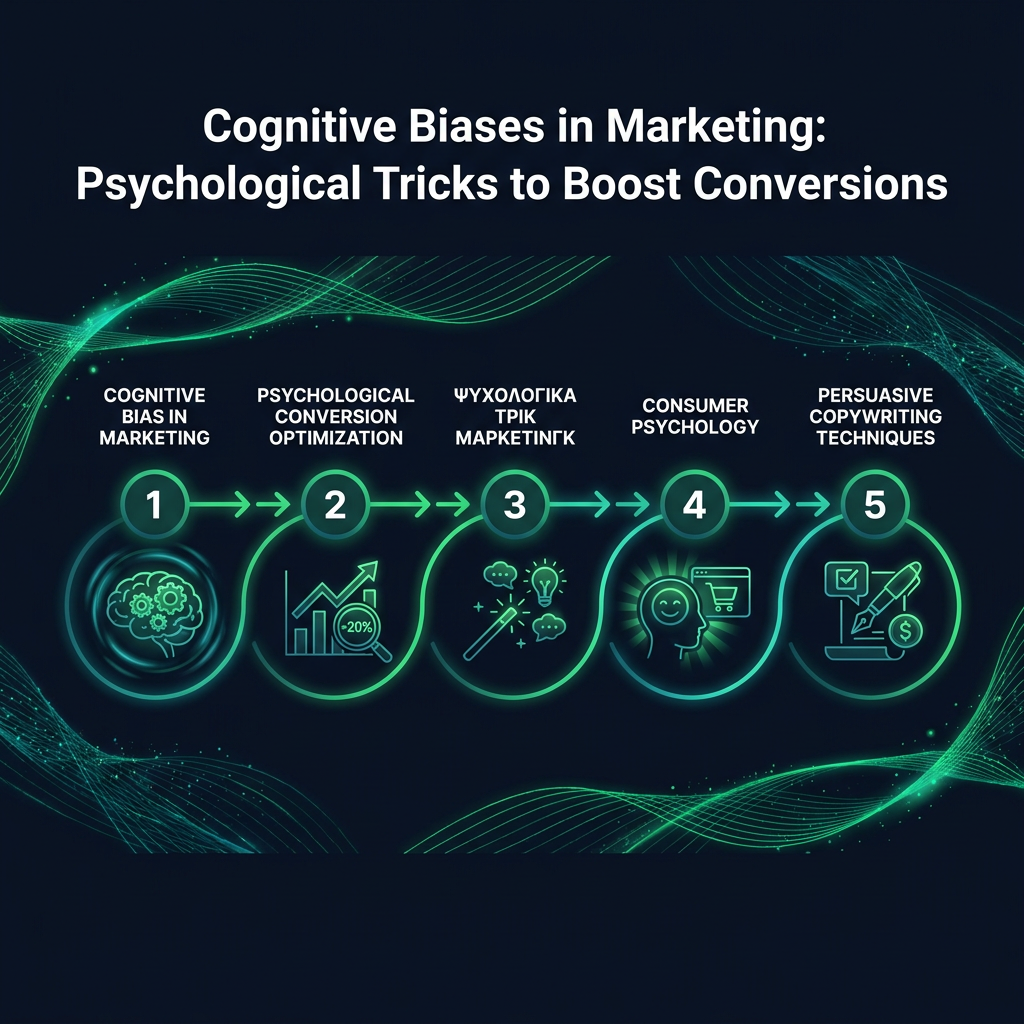

Unlock higher conversion rates by understanding the powerful role of cognitive bias in marketing. While every purchase decision happens in the mind, many marketers overlook the fundamental principles of consumer psychology that drive those choices. This guide explores the core of psychological conversion optimization, revealing how simple psychological marketing principles can dramatically improve your results without complex technical changes.
Understanding Consumer Psychology and Cognitive Biases
Think about your last unplanned purchase. Was it a random decision, or was your brain subtly guided by powerful psychological triggers? Global research from authorities like the Baymard Institute suggests that leveraging these triggers can boost conversions by over 35%, often without altering a single design element. Understanding the science of consumer behavior isn't just academic; it's the key to unlocking better performance. These cognitive biases are the mental shortcuts our brains use to make decisions, and they are central to effective marketing worldwide.
Key Cognitive Biases Marketers Can Leverage
Several powerful biases are consistently at play in almost every purchasing decision. Here are three of the most impactful ones for a global audience:
- Scarcity: This is the powerful fear of missing out (FOMO). When a potential customer believes a product or offer is in limited supply, their desire for it intensifies. When a global e-commerce platform displays a message like "Only 3 left in stock," it's a carefully deployed psychological trigger designed to prompt immediate action.
- Social Proof: As social beings, we are wired to trust the wisdom of the crowd. We look to others for validation that we are making a good choice. When a booking site shows "1,245 people booked this hotel in the last 24 hours," it taps into our innate need for social proof, flagging the option as popular, safe, and desirable.
- Anchoring Bias: This bias affects our perception of value. The first piece of information we receive heavily "anchors" our subsequent judgments. Leading tech companies masterfully use this. For example, by first showcasing a premium model at a high price point (e.g., 1,299), the standard model (e.g., 999) suddenly feels more reasonable and like a smart value purchase in comparison.
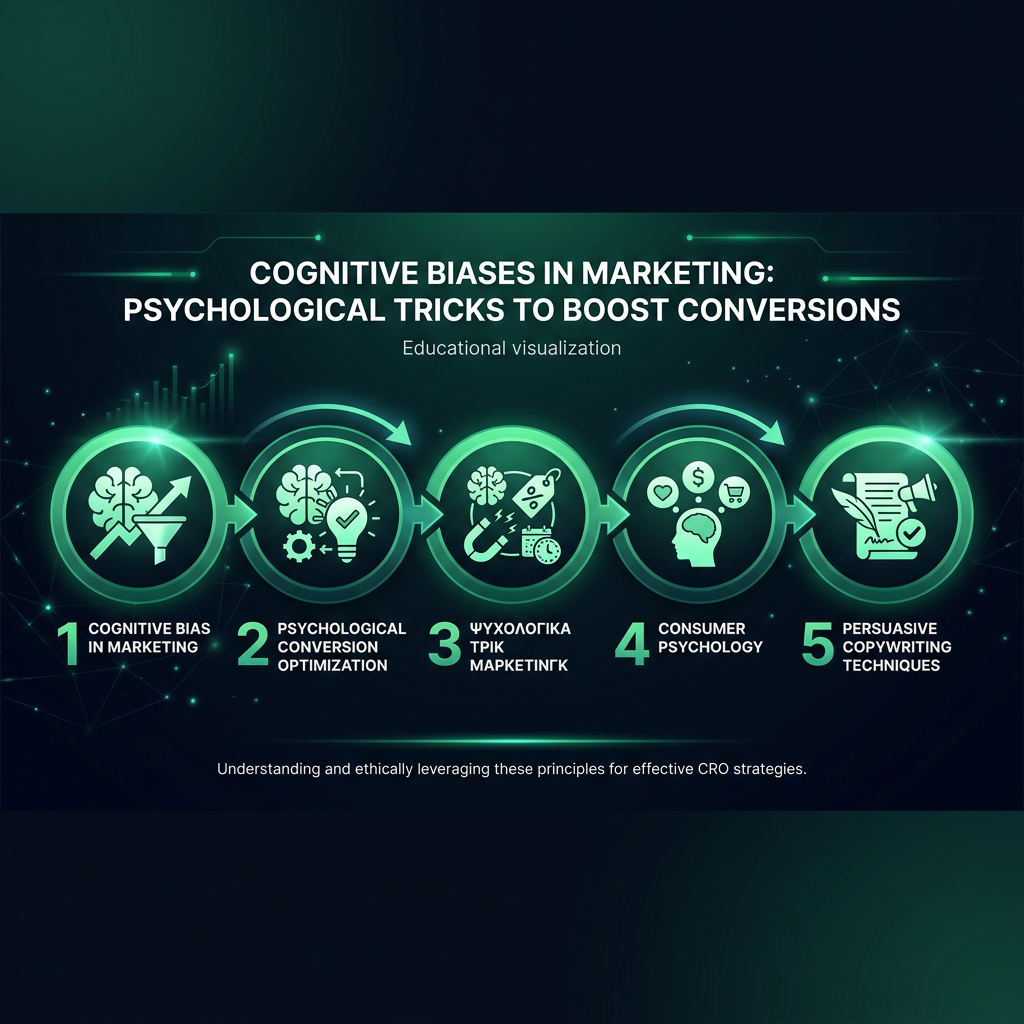

Practical Strategies for Psychological Conversion Optimization
Knowing the theory is one thing; applying it is another. Integrating these principles into your marketing strategy is crucial for achieving meaningful results. Here are practical ways to put consumer psychology to work for your business.
Create Urgency and Scarcity
To leverage the scarcity principle, you must create a genuine sense of urgency. This goes beyond simple sales tactics. Consider implementing: